Description
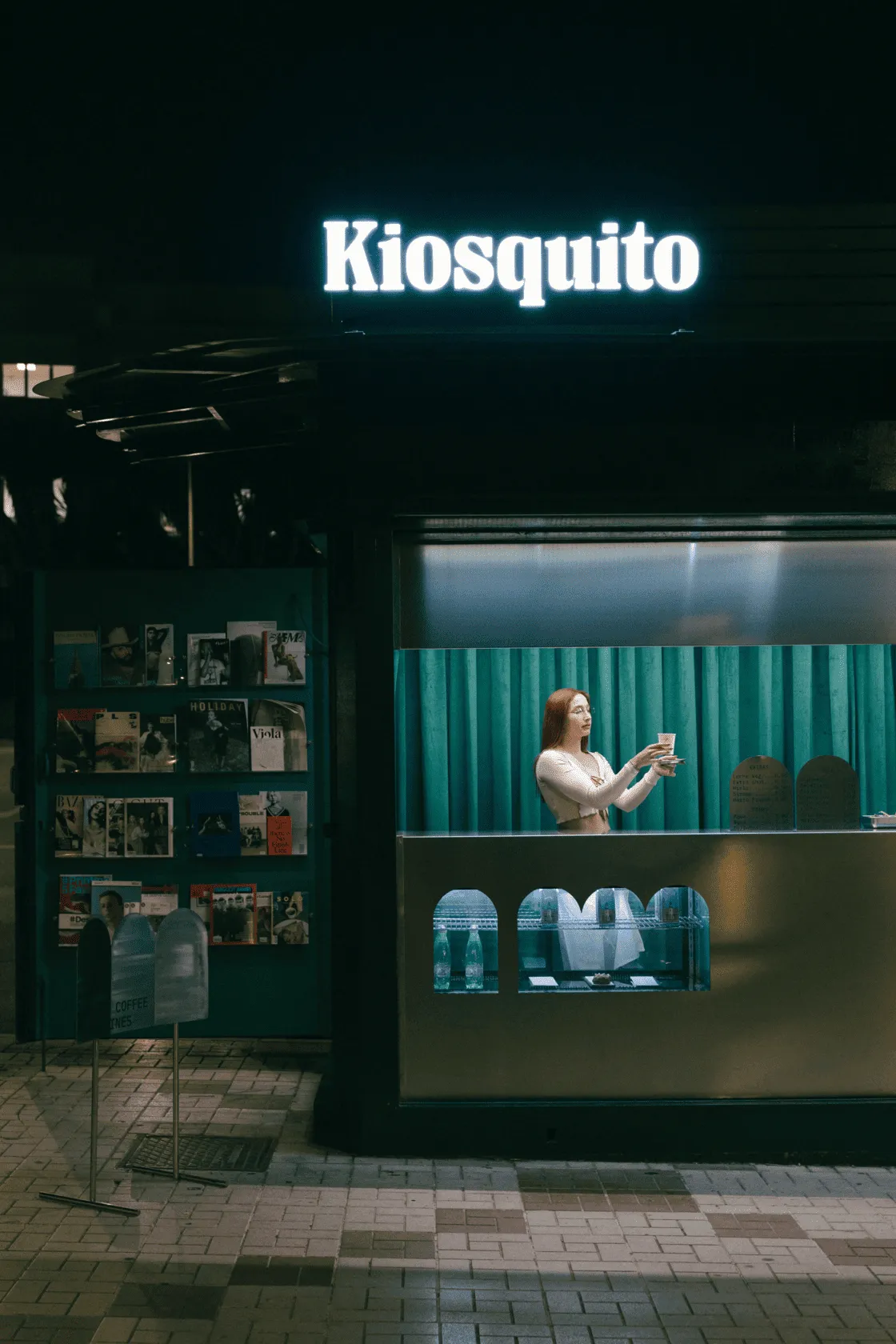
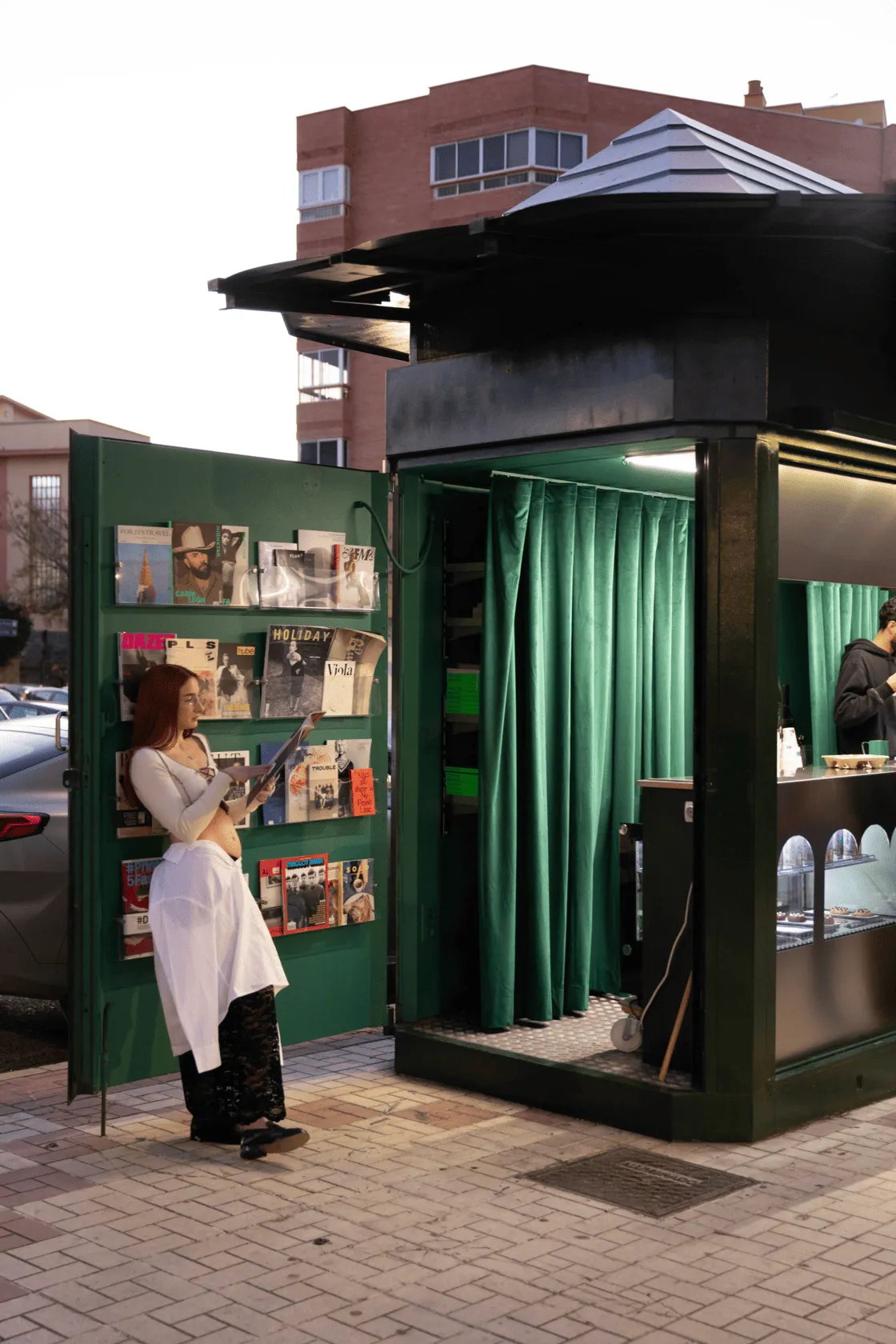
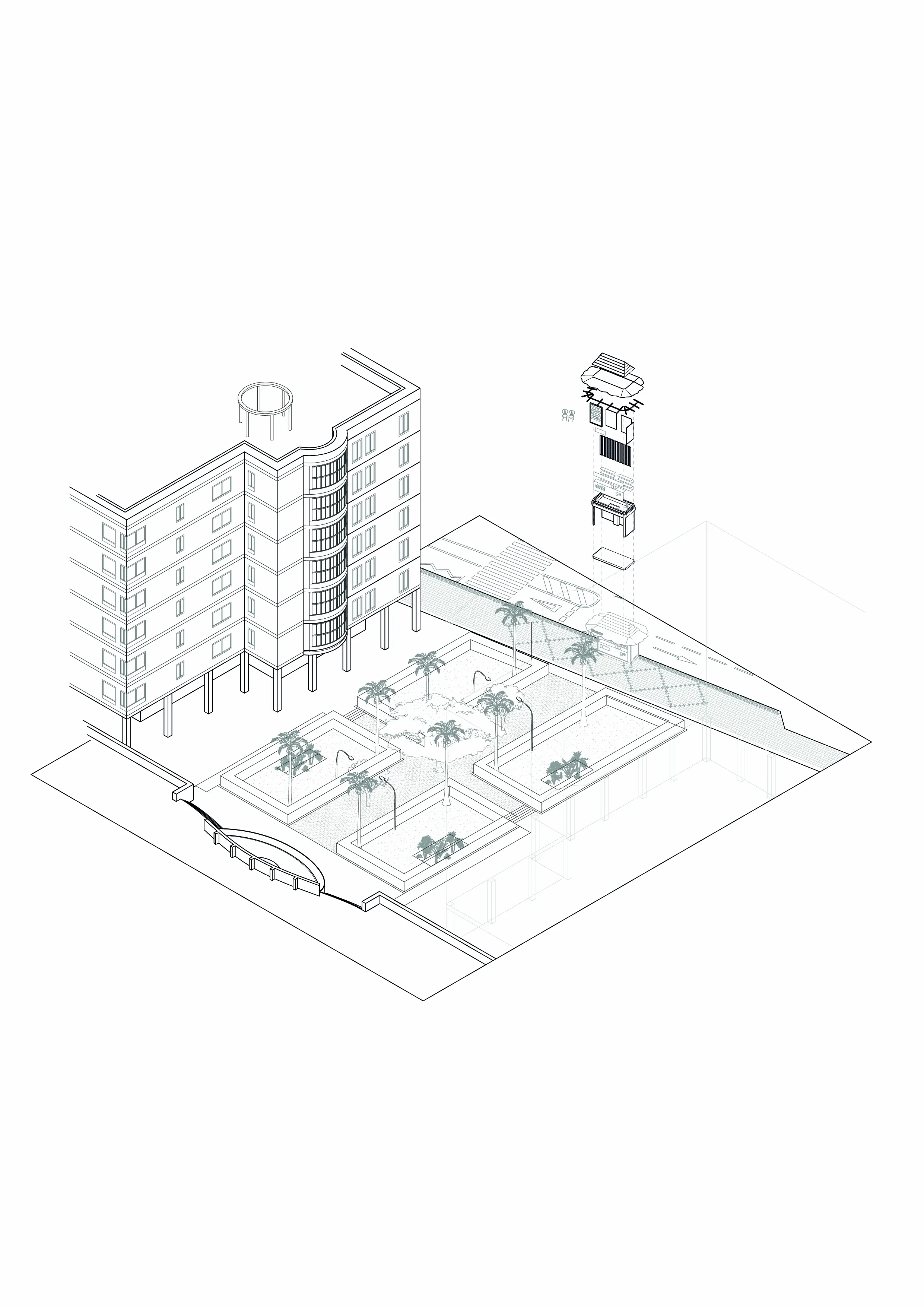
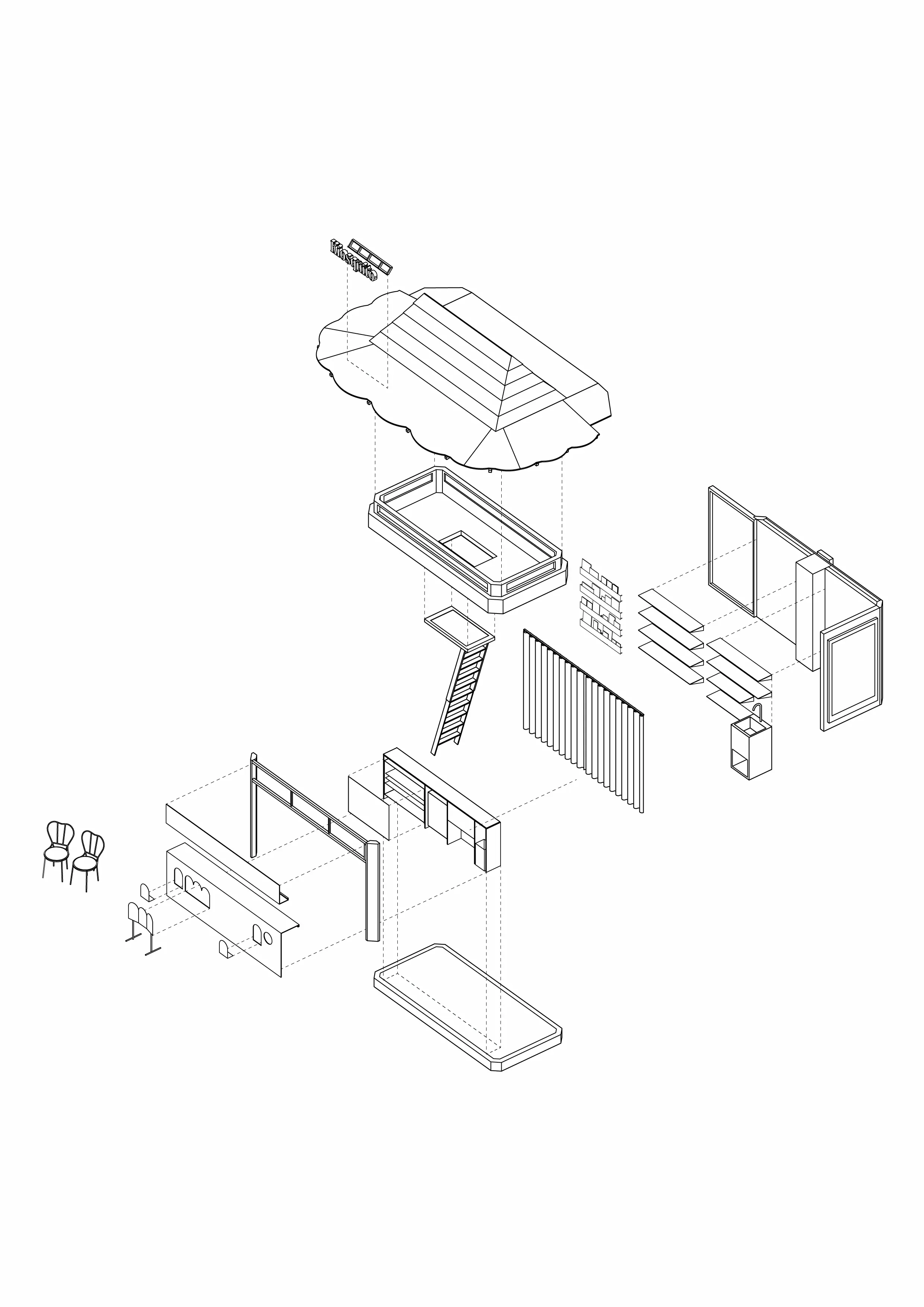
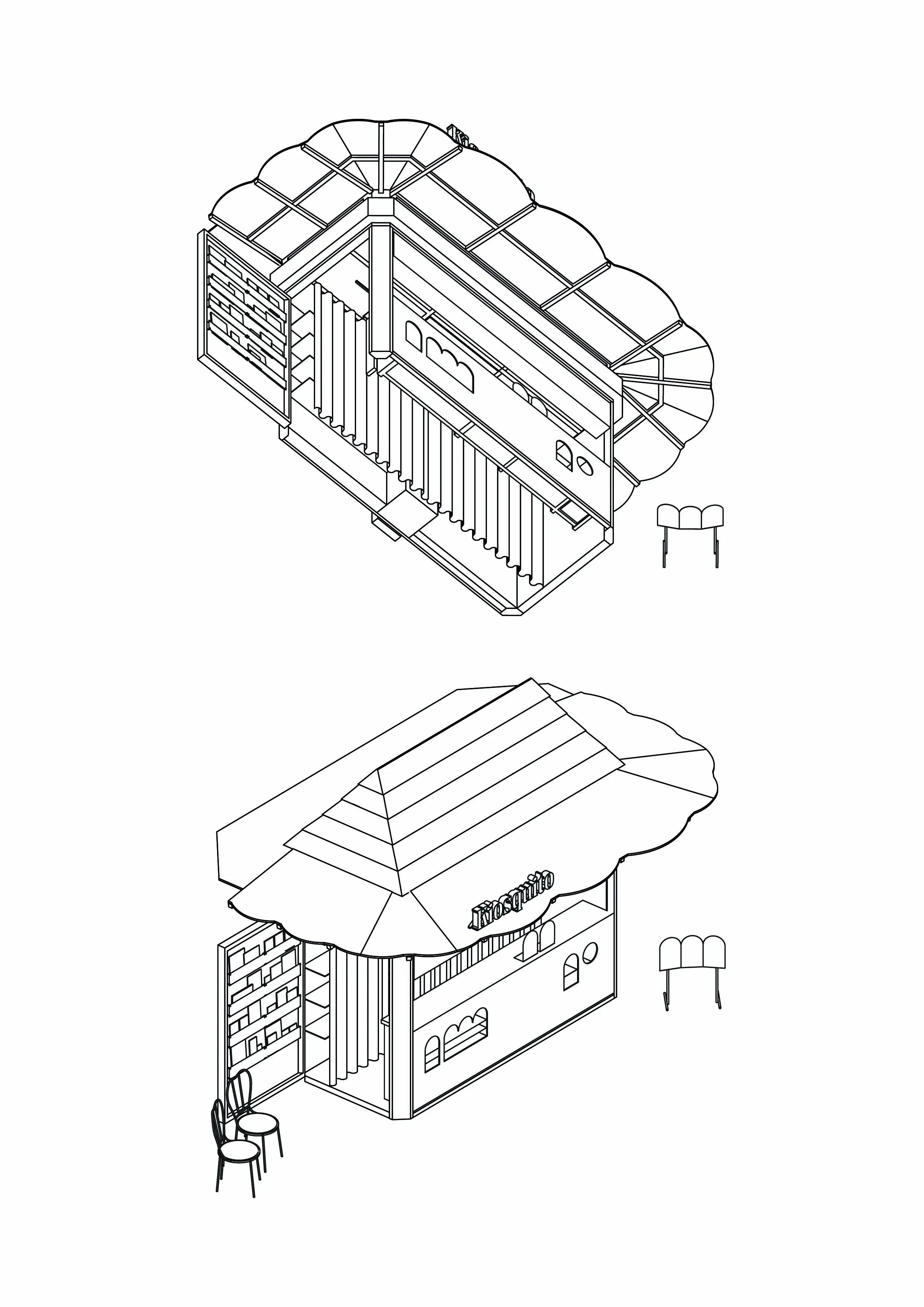
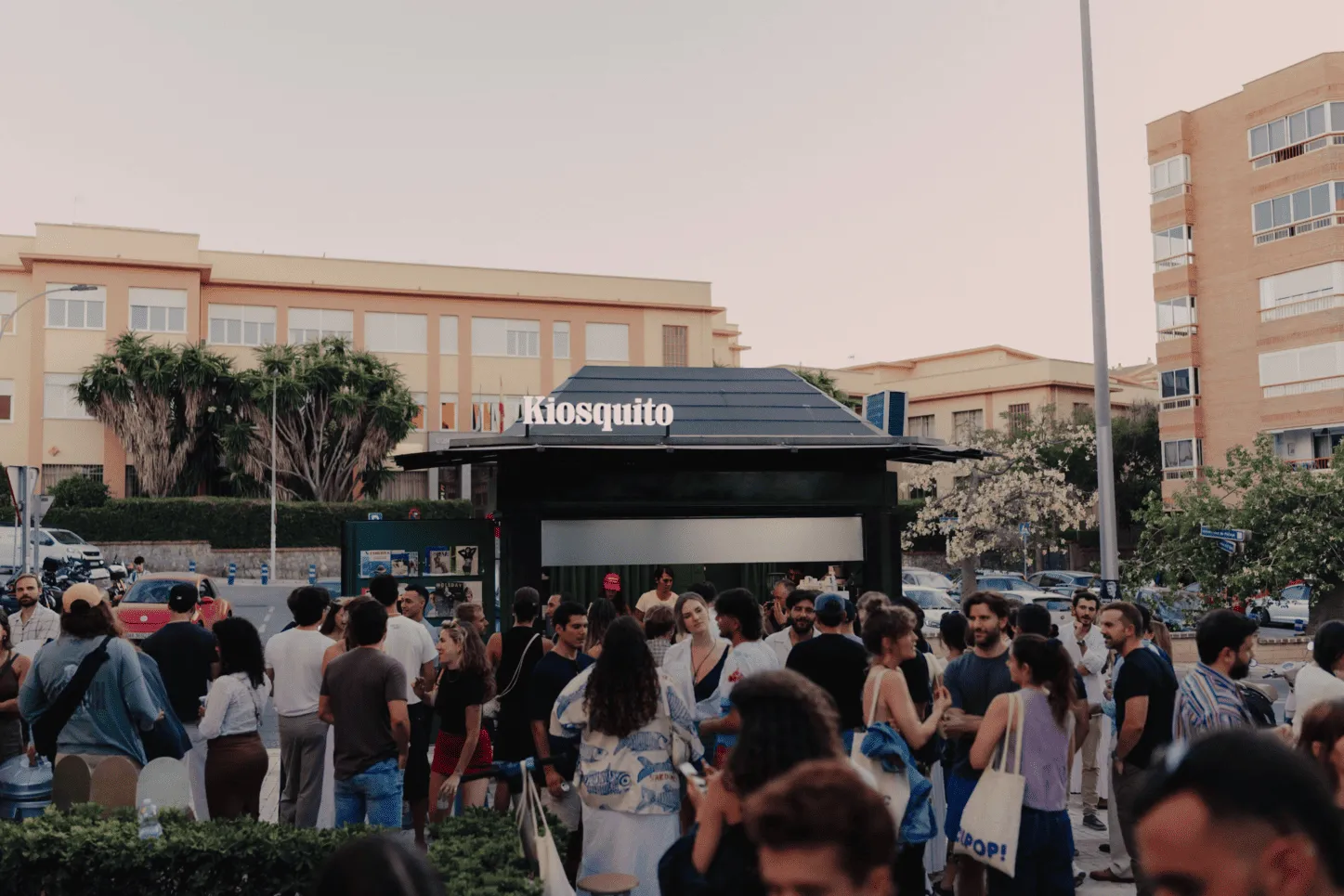
Kiosquito is a project for the reactivation of urban heritage that recovers the kiosk as an active element within the contemporary life of the city. The proposal starts from its hybrid condition—between architecture and furniture, between interior and exterior space, between the public and the private—in order to reinterpret it through a relational rather than a formal logic.
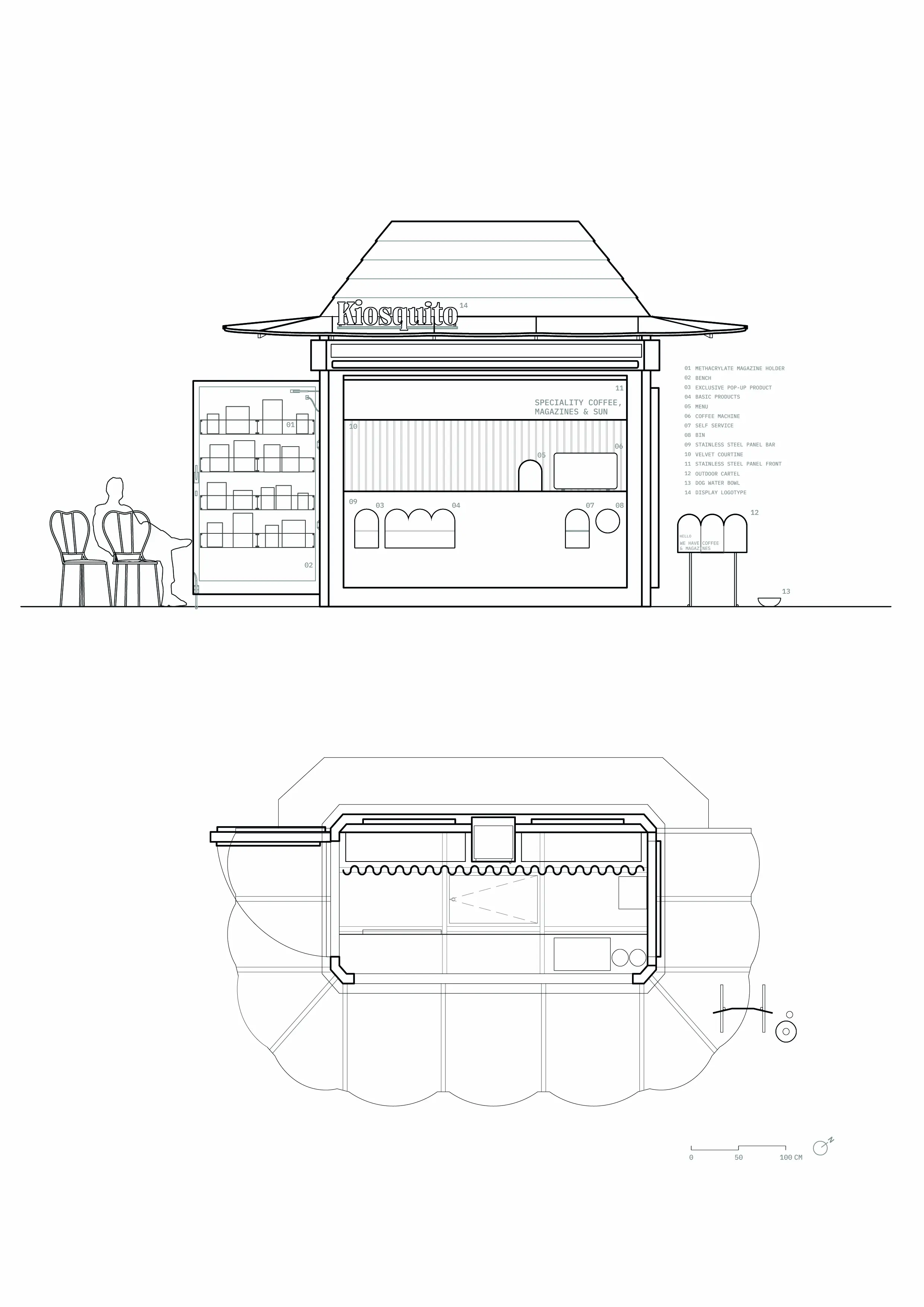
The design takes as a reference the composition of Renaissance palaces, transferring to a minimal scale their principles of organization in horizontal bands, arched windows and strongly corniced roofs. This evocation turns the kiosk into a small representative architecture, accessible and close at hand, reinforced by the diminutive character of its name and its typographic translation.
The project is not defined by form but by experience. The relationship with the user is built through everyday gestures such as looking at the product, inserting the hand or exchanging objects, activating a bodily memory linked to these historical structures. The interior is conceived as a small scenic device that concentrates attention and gives relevance to what happens within it.
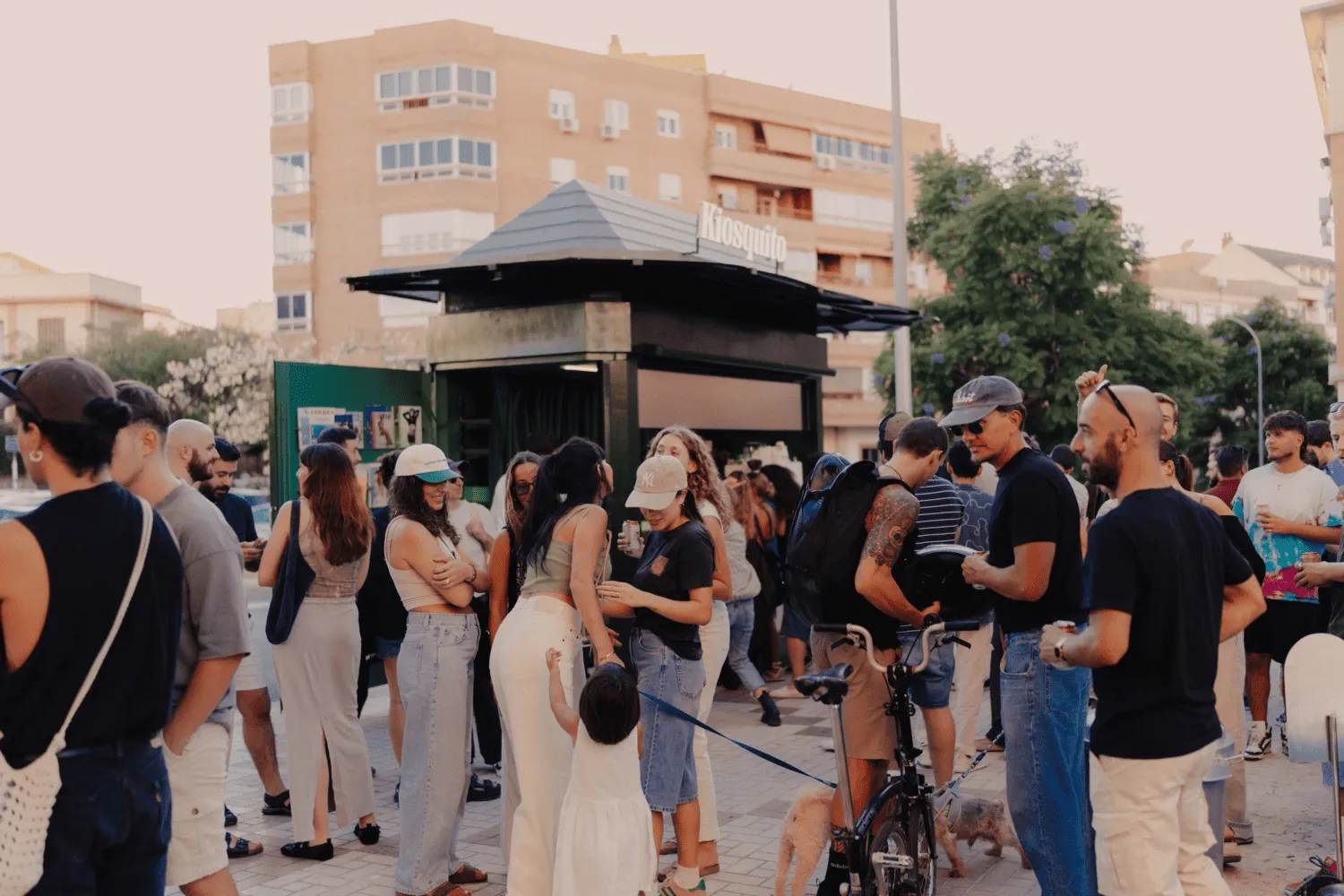
Historically, the kiosk has functioned as a place of exchange and sociability. Kiosquito recovers that relational dimension and projects it into the present, becoming an element capable of activating its immediate surroundings and reinforcing the continuity between urban memory, contemporary use and identity.