
Description
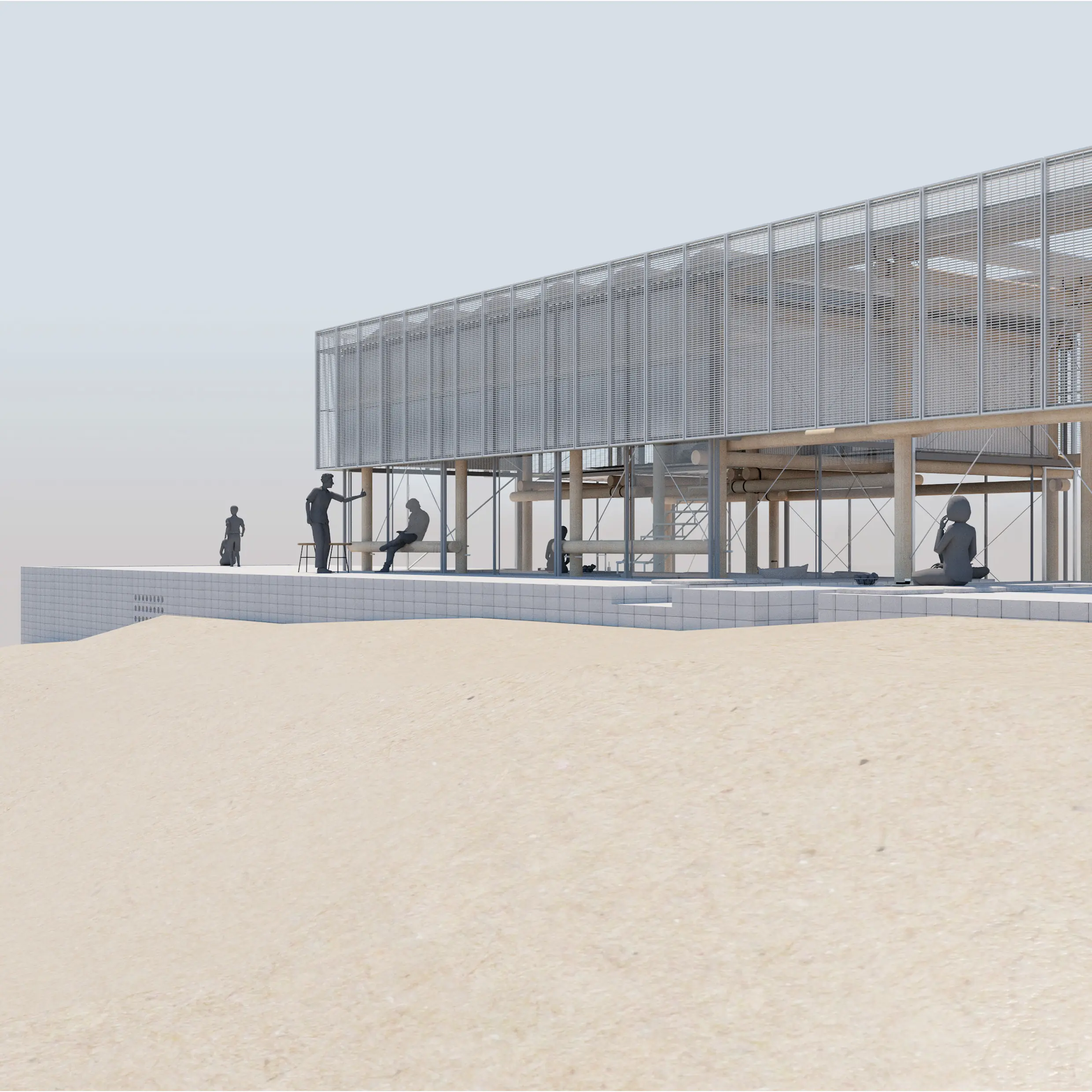
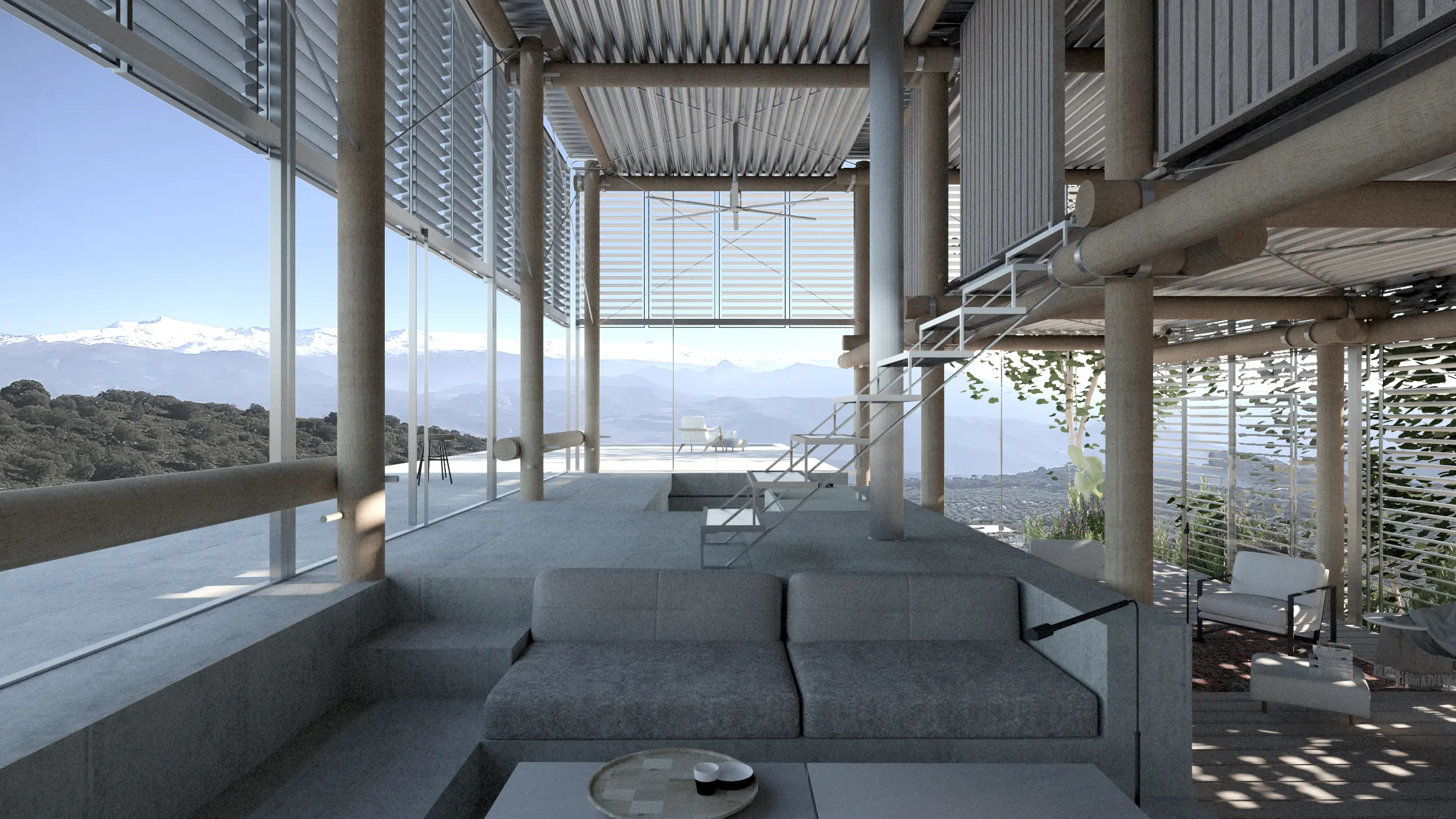
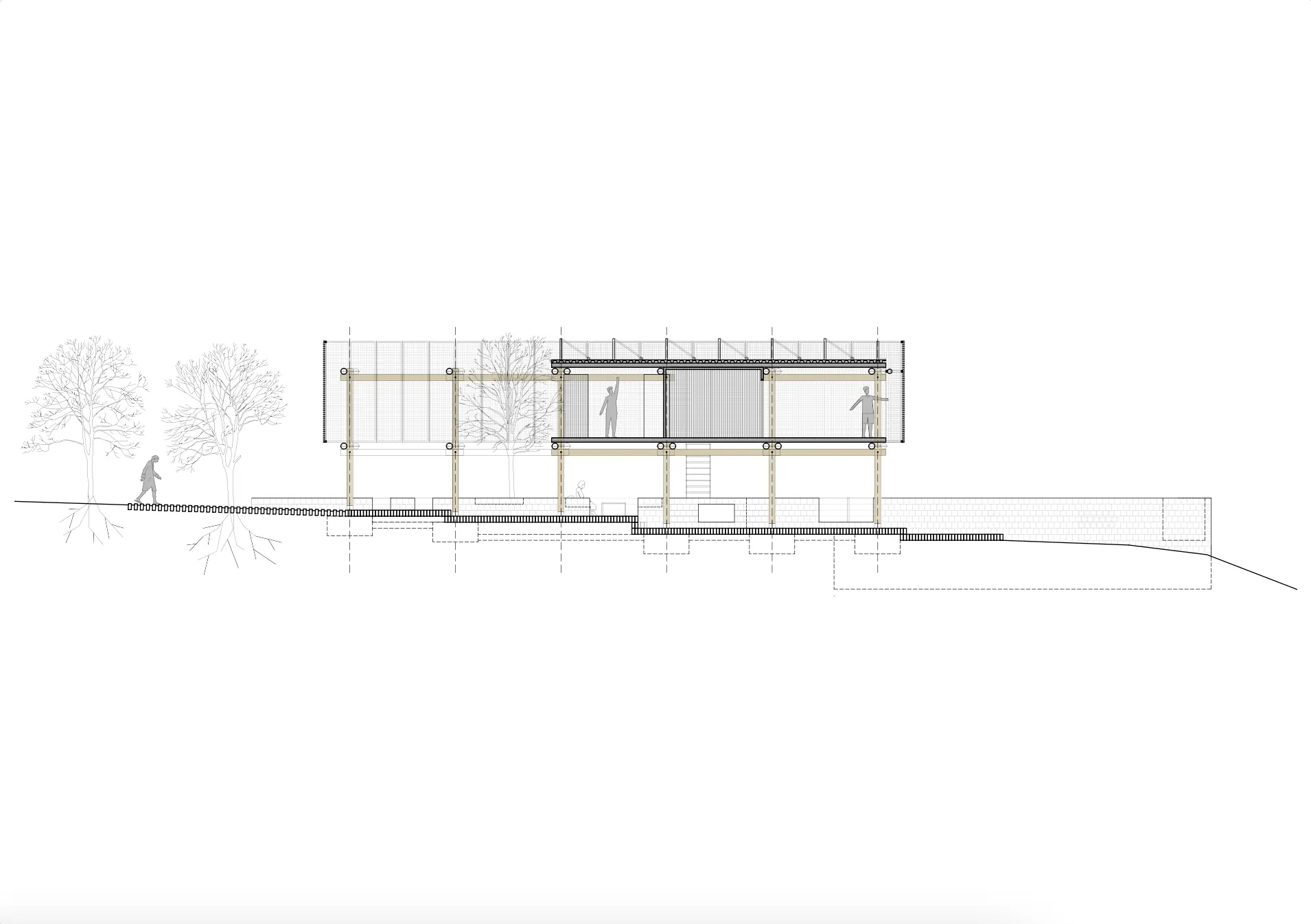
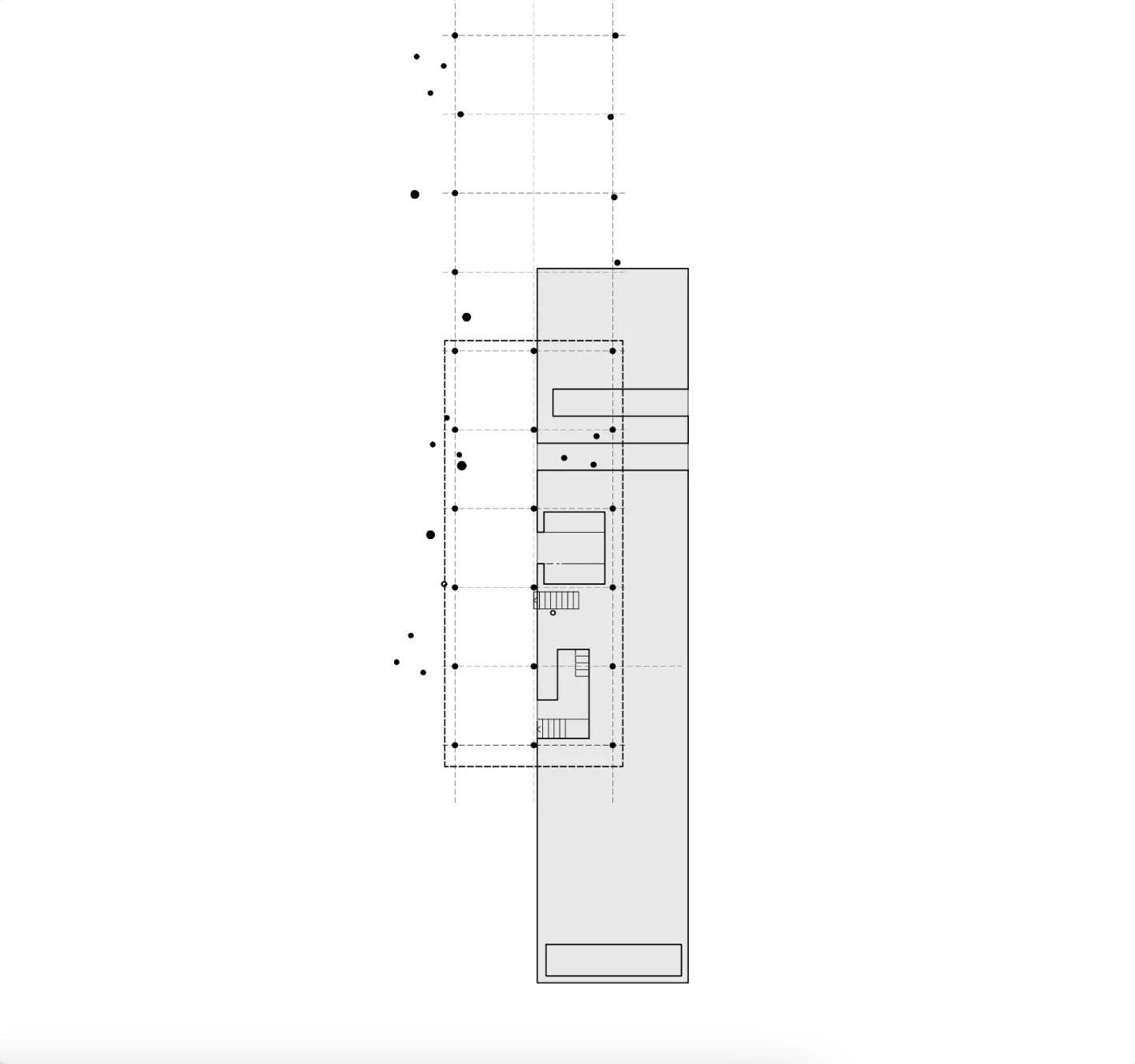
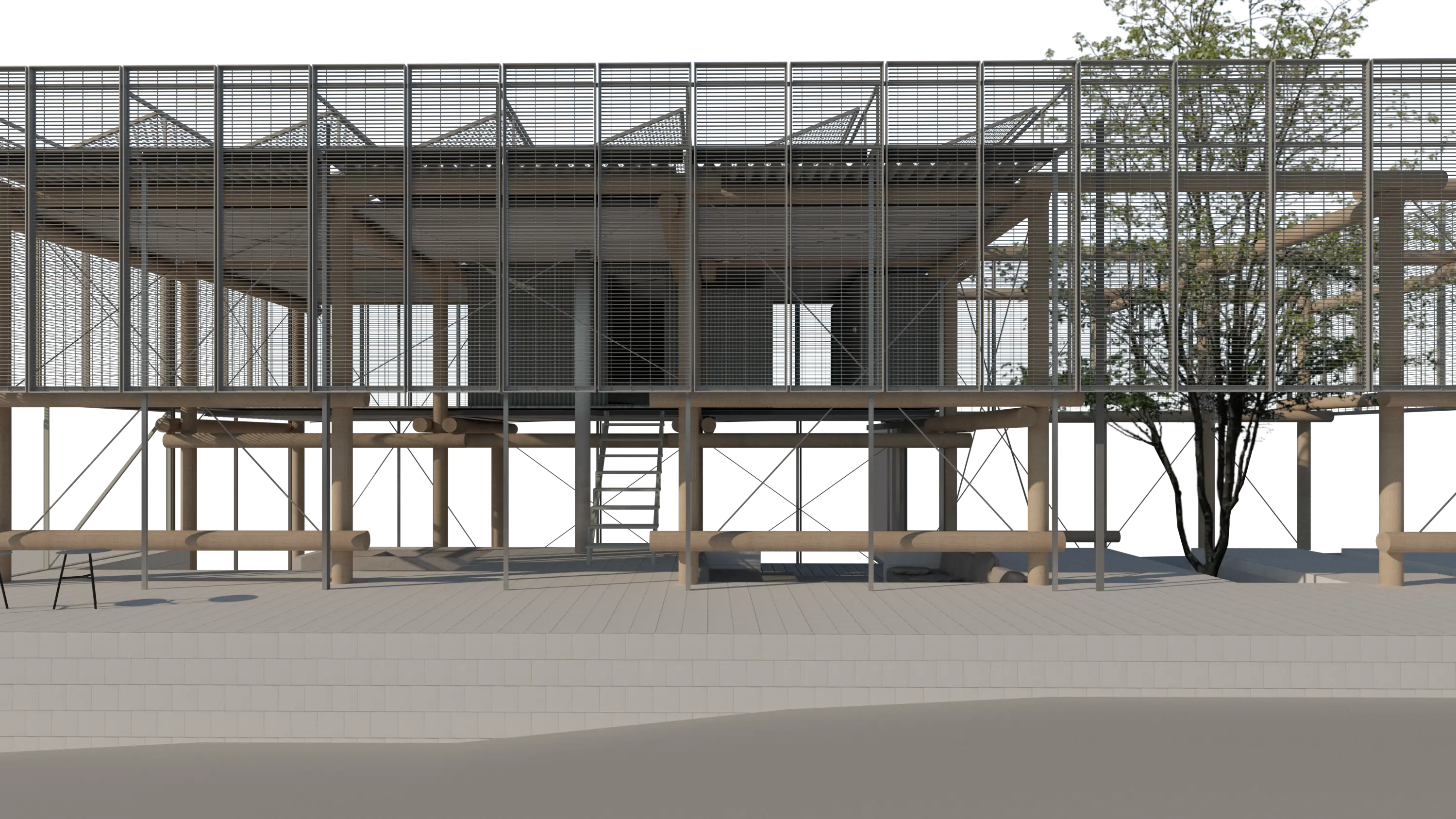
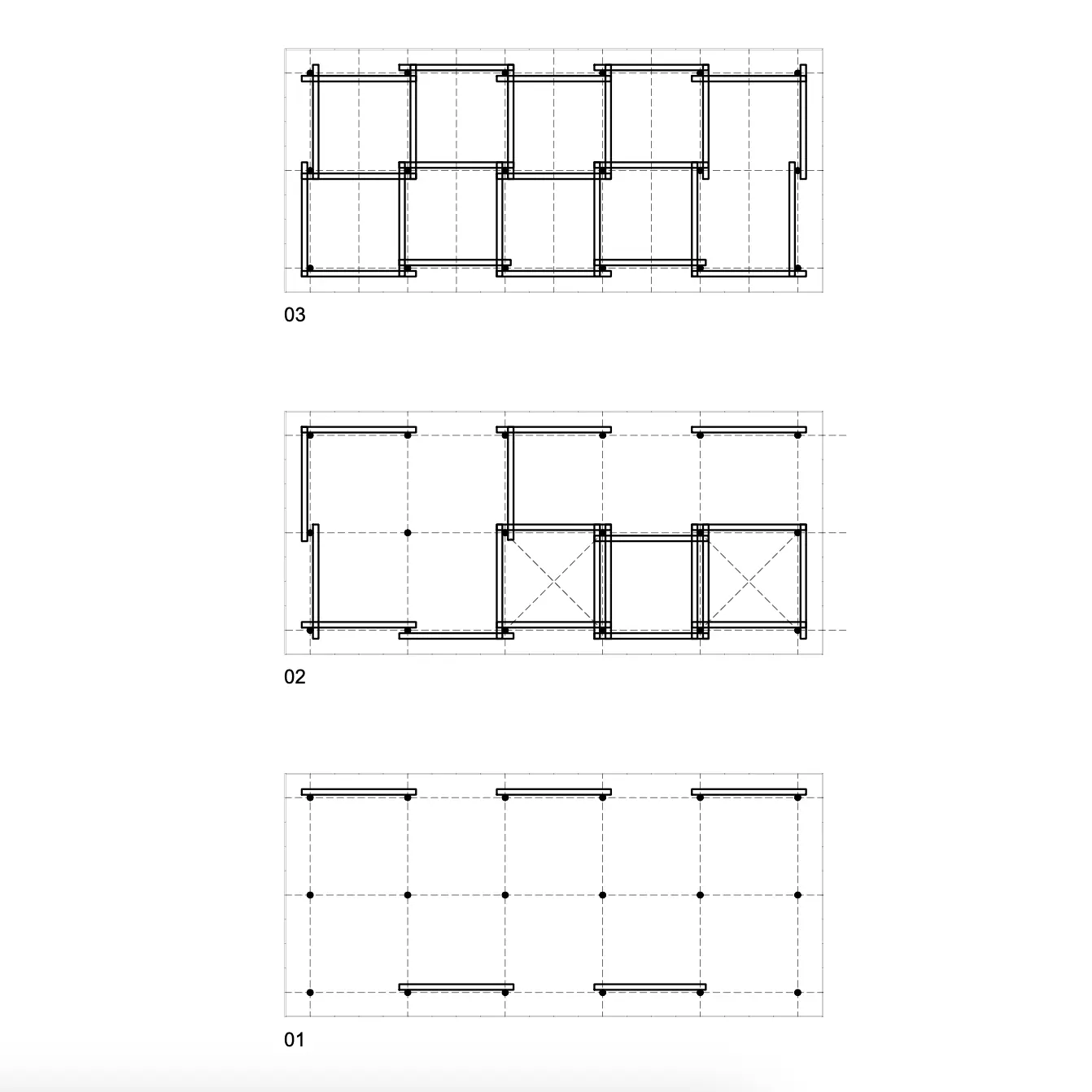
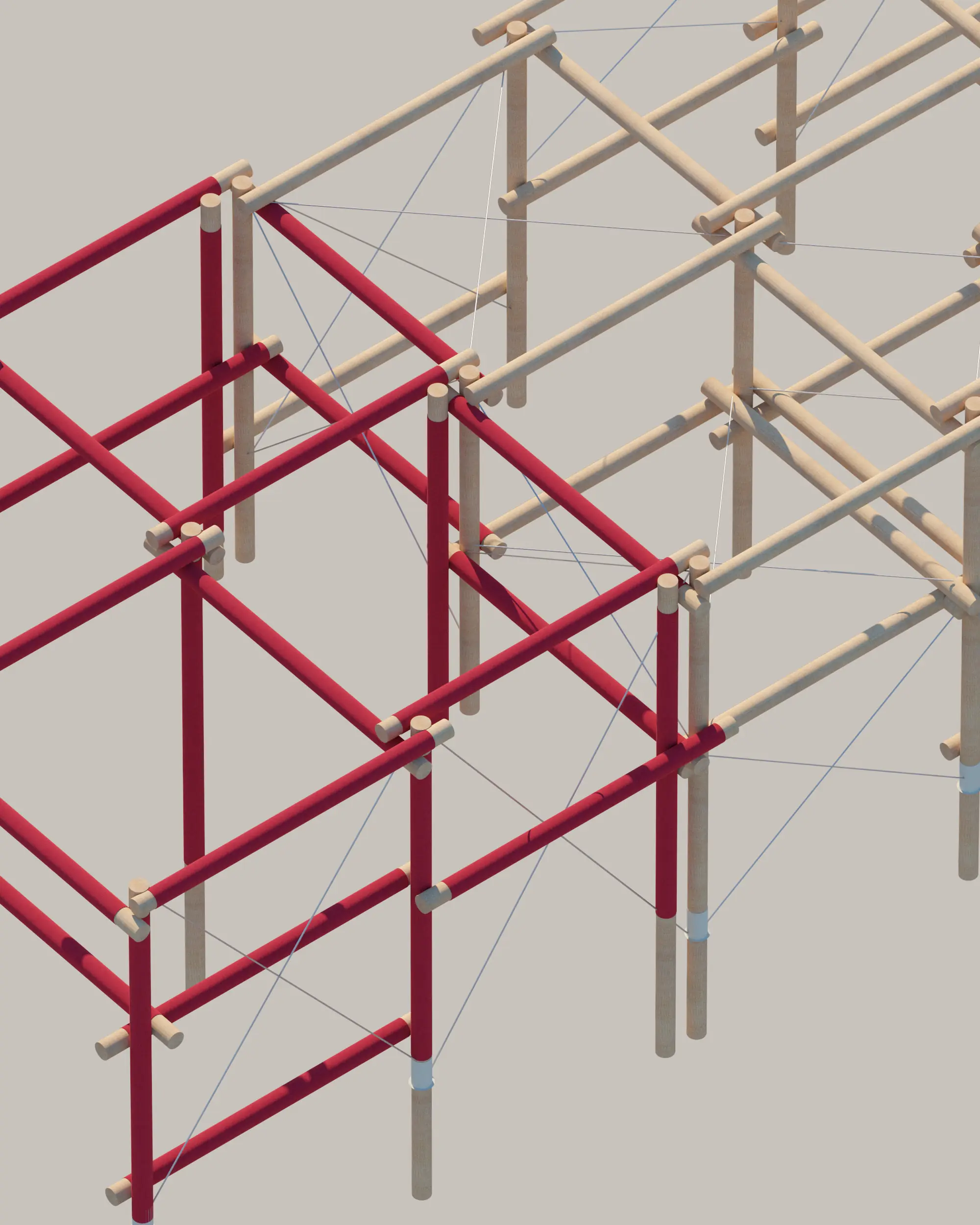
Under the motto “inhabit the vega, cultivate the city,” a process of mutual learning is proposed between the act of inhabiting and that of cultivating. The vega learns to give public use to the agricultural architecture of its crops, as sustainable models of climatic adaptation and cyclical resource management. The city, for its part, learns to incorporate into the urban realm both natural, nearby construction materials and the logics of implantation, temporal superposition of uses, and respect for and preservation of the soil. In this process, architecture and landscape cease to be understood as separate disciplines and instead form an ecology of inhabiting, where building is equivalent to accompanying the environment in its process of growth and transformation. Building is not about imposing a form by using a passive material, but about participating in living processes that emerge from the territory and its matter, with poplar wood as the structural axis. The research is developed through six projects, each intervening in a different phase of the wood transformation process, from the use of forest plantations themselves and tobacco drying sheds built with poplar poles as public space, to the digital processing of timber for industrialized housing construction. Midway between both extremes, the present project builds a dwelling using mature poplar poles, 20 cm thick, whose structure traces a quadrangular grid between the rows of local vines, like a new crop that transforms over time.